


 Language


More Language
Language 
The EU Deforestation Regulation is moving from a future requirement to an immediate purchasing issue for the wood trade. According to the European Commission's current timetable, the EUDR applies from 30 December 2026 to large and medium operators, and from 30 June 2027 to most micro and small operators. Micro and small operators already covered by the EU Timber Regulation follow the 30 December 2026 date.
For importers buying veneer, plywood and other wood products, the useful question is no longer simply, “Does EUDR affect wood?” The better question is, “Can every product line be connected to the correct product code, wood species, country of production, plot geolocation and legality records?”
This 2026 buyer guide turns those requirements into a practical pre-order checklist. It is an informational purchasing overview, not legal advice. Always check the current legal text, official EU guidance and your own role in the supply chain.
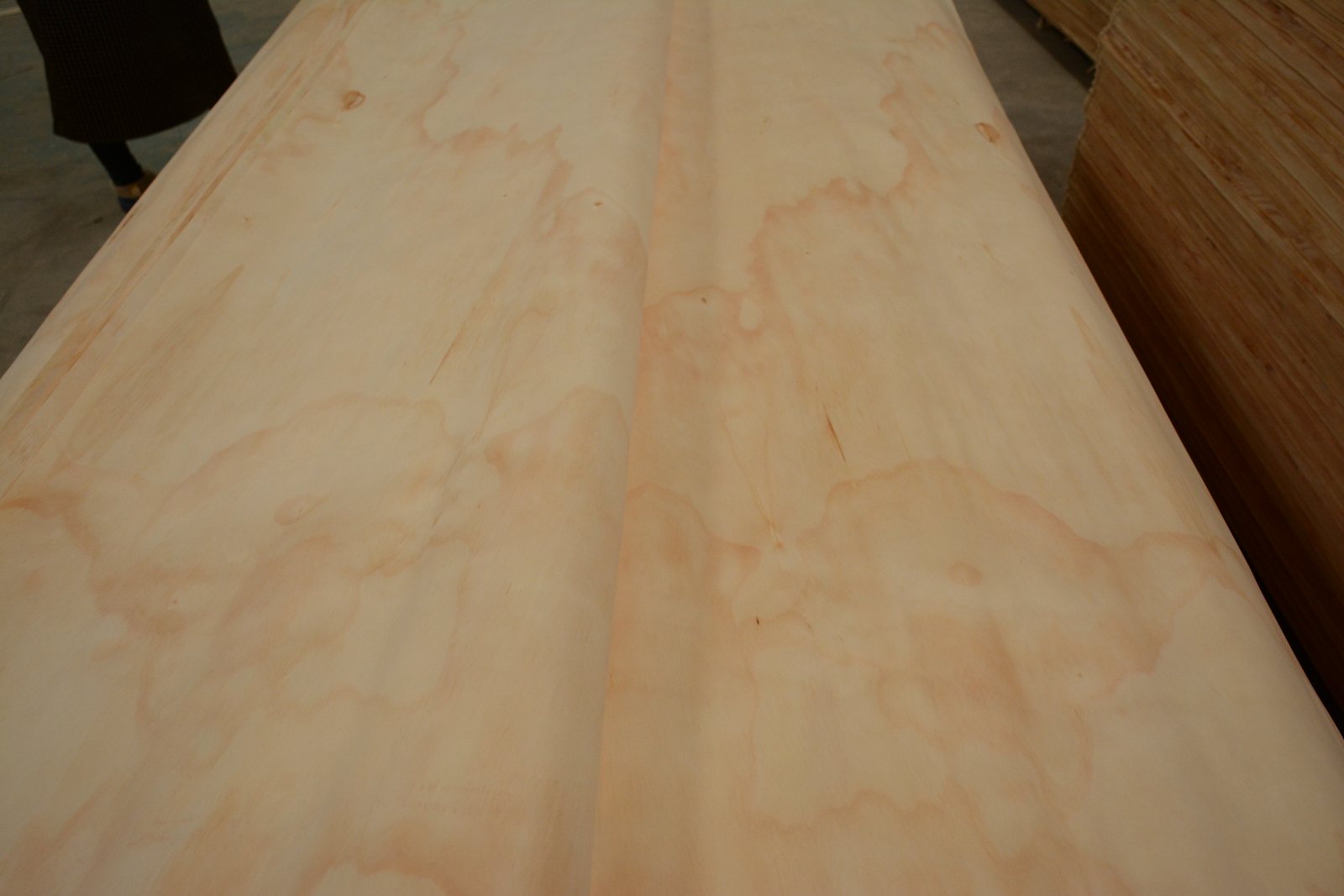
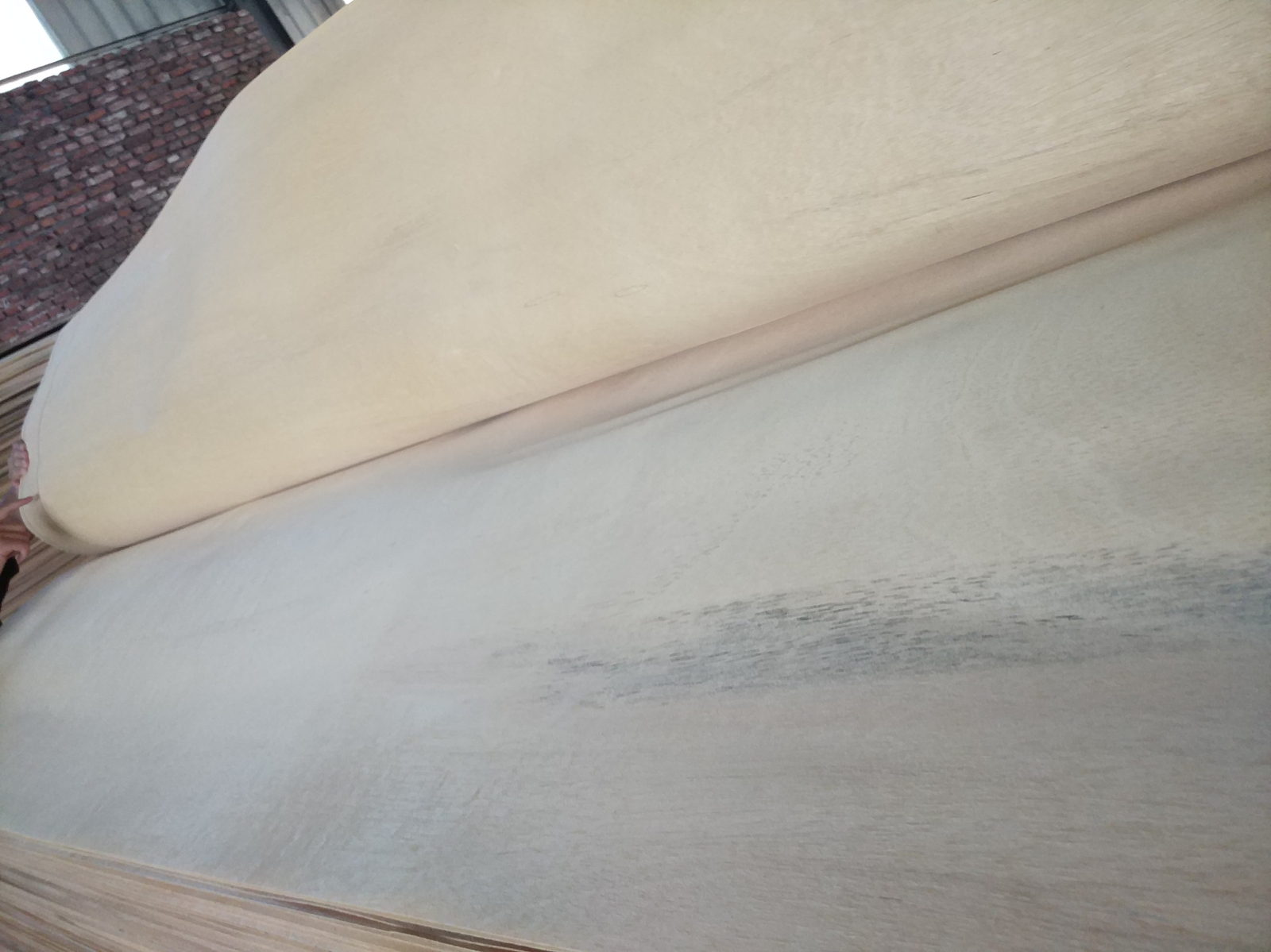
Image note: Product photos in this article illustrate veneer materials only. A product photo or approved sample can support quality communication, but it is not evidence of EUDR compliance, origin, legality or traceability.
The EUDR covers seven commodities, including wood, and specified products made from them. Its core objective is to prevent relevant products associated with deforestation or forest degradation from being placed on or exported from the EU market.
For wood buyers, 2026 is a preparation year with a fixed implementation date close enough to affect supplier approval, contract wording, data collection and shipment planning. A weak document trail discovered after production may be much harder to correct than a missing field found during the quotation stage.
That is why the current high-intent keyword cluster is broader than one phrase:
EUDR wood products describes the overall purchasing and compliance topic.
EUDR veneer targets buyers of sheets for veneering and plywood production.
EUDR plywood targets panel importers and distributors.
Wood traceability describes the operational data chain behind a compliant review.
EUDR due diligence reflects the process carried out by the responsible EU operator.
These terms belong together because an importer searching for EUDR plywood will usually need the same underlying origin, species and geolocation data as an importer reviewing veneer.
Do not decide EUDR scope from a marketing name alone. The legal scope is defined through the products listed in Annex I and their Combined Nomenclature codes.
For the product families relevant to many Zhide customers, the Annex includes veneer sheets under heading 4408 and plywood, veneered panels and similar laminated wood under heading 4412. Exact subheadings, materials and exclusions still matter. For example, a commercial description such as “decorative panel” may not provide enough information to determine the correct code.
Before requesting EUDR documents, record:
The commercial product name
The proposed HS or CN code
Product construction and material composition
Wood species used in each relevant layer
Whether any stated exclusion may apply
The EU importer or customs specialist should confirm the final classification. A supplier can provide product and material information, but should not replace the importer's classification decision.
For relevant products containing wood, Article 9 information includes the common name and the full scientific name of the species. “Mixed hardwood,” “tropical veneer” or “eucalyptus” may be commercially understandable, but such labels may be too broad for a due diligence data set.
For veneer and plywood inquiries, ask the supplier to distinguish:
Face veneer species
Back veneer species
Core veneer or other core material
Any mixed-species construction
Common and scientific names where required
Species data should match the actual ordered construction. Reusing an old specification sheet for a new panel combination can break the traceability chain even when the visible face looks similar.
EUDR due diligence goes beyond “country of origin.” The required information includes geolocation of the plots where the relevant commodity was produced, together with the production date or time range.
For a wood supply chain, buyers should agree early on how plot data will be collected, transferred and linked to a shipment or batch. A practical data chain may connect:
plot reference → harvested wood → mill batch → veneer or panel batch → packing list → shipment
The precise records will vary by supply chain, but the links should be understandable and internally consistent. If wood from several plots is combined, the responsible operator needs the required information for all relevant plots rather than one representative location.
The EUDR deforestation-free cut-off is 31 December 2020. Relevant products must also have been produced in accordance with the relevant legislation of the country of production.
A purchasing team should therefore separate two questions:
Does the location and time evidence support the deforestation-free requirement?
Do the documents support compliance with applicable laws in the country of production?
One certificate, invoice or supplier declaration may contribute to the review, but it should not automatically be treated as a complete answer. The responsible operator must assess the required information and risk under the current EUDR process.
A strong file is organized around the actual product and shipment, not around a generic annual folder. Before production or shipment, align the following records:
| Record | What the buyer should check |
|---|---|
| Product specification | Product name, construction, dimensions and proposed CN code agree |
| Species information | Common and scientific names correspond to the supplied wood layers |
| Production origin | Country, region and plot data connect to the relevant batch |
| Time information | Production date or range is available and consistent |
| Quantity records | Purchase order, packing list and shipment quantity reconcile |
| Legality documents | Documents are relevant to the country, activity and supplied material |
| Due diligence reference | Required reference data is available for the responsible operator's workflow |
File names and batch identifiers matter. If several documents use different product names or reference numbers, add a simple cross-reference sheet before the shipment is reviewed.
Add an EUDR information section to the request for quotation. It should be separate from the usual quality specification so that commercial approval and traceability review do not become confused.
Ask for:
Product description and proposed HS/CN code
Face, back and core materials
Common and scientific names of relevant wood species
Country and region of production
Plot geolocation data format and availability
Production or harvest date range
Batch identification method
Applicable legality records
Quantity and shipment-document matching method
Contact person responsible for traceability questions
Then confirm the separate product-quality fields: veneer grade, thickness, sheet dimensions, moisture requirement, panel construction, surface requirement, packing and approved sample. EUDR data does not replace product inspection, and a clean product sample does not replace EUDR data.
Watch for gaps that become expensive after production:
The supplier provides only a country name, without plot-level information.
A trade name is supplied, but the scientific species name is missing.
The face veneer is identified, while the plywood core species is not.
The product code on the invoice differs from the code used for scope review.
One traceability file is used for several batches without a clear quantity link.
A certificate is presented as the entire due diligence assessment.
Product photos are treated as proof of origin or legality.
Documents contain inconsistent dates, quantities or supplier names.
A red flag does not always prove that a shipment is unacceptable. It signals that the responsible parties need clarification and supporting evidence before relying on the file.
The legal role of a non-EU supplier is not automatically the same as the role of the EU operator placing goods on the market. However, EU customers may depend on suppliers for accurate product, species, origin, production and traceability data.
An export supplier can prepare by standardizing product names, retaining batch links, checking species terminology, organizing plot data in a transferable format and responding consistently to importer questionnaires. The goal is not to claim “EUDR compliant” without a completed role-specific assessment. The goal is to provide reliable evidence that the responsible operator can evaluate.
When asking about wood veneer products or plywood products, send both your technical specification and your traceability requirements. For a veneer inquiry, the Pine Veneer Sheets page and the Eucalyptus Veneer Grade Guide can help define the visual and quality side of the order.
EUDR-related origin, species, geolocation, legality and document requirements must still be confirmed for the specific supply chain and shipment. Zhide does not treat a product photo, sample or general product page as proof of EUDR compliance.
Many veneer sheets under heading 4408 and plywood or veneered panels under heading 4412 are listed in the regulation's product scope. Buyers should verify the exact current CN code, product construction and any applicable exclusion rather than relying on the commercial name alone.
The European Commission currently states 30 December 2026 for large and medium operators and 30 June 2027 for most micro and small operators. Micro and small operators already covered by the EU Timber Regulation follow 30 December 2026. Confirm which date and role apply to your business.
Not by itself. A certificate may be one input, but the responsible operator must collect the required information, assess risk and follow the applicable due diligence process.
No. A sample can help approve color, grain, grade and other visual requirements. It cannot establish plot geolocation, production date, legality or the full traceability chain.
Send the product construction, species requirements, proposed code, grade, thickness, dimensions, quantity, destination and packing needs, together with the EUDR information fields required by your importer or compliance team.
This article reflects official information checked on 7 September 2026. Regulatory guidance and legal text may change. Obtain role-specific legal or customs advice before making a compliance decision.
 Address:2nd Floor, Building 6, 120 meters west of the intersection of Chuangye Road and Xingye Road, Yitang Town, Lanshan District, Linyi City, Shandong Province
 WhatsApp:+8615020973332
 Wechat: Eden15020973332
  E-mail:eden@zhide.life