


 Language


More Language
Language 
Wood veneer is real wood in a thin layer; solid wood uses timber through the section of the specified component. A veneer-faced panel can be a sensible choice for a broad decorative surface, while a solid-wood component may suit a design that needs substantial timber at its edges or through a shaped section. Neither label, by itself, proves that a piece of furniture is better made.
For buyers comparing wood veneer vs solid wood, the important questions are what is supplied, how the component is constructed and which appearance and service requirements the finished item must meet. This guide focuses on those purchasing decisions rather than repeating a simple premium-versus-budget ranking.
| Question | Veneer-faced construction | Solid-wood construction |
|---|---|---|
| What is the visible wood? | A thin wood layer bonded to a specified substrate. | The visible surface belongs to the timber section of that component. |
| What else must be specified? | Core, face thickness, backing, adhesive system and edges. | Species, timber selection, section dimensions, joints and construction details. |
| How is appearance controlled? | Approve veneer selection, layout and finishing on a representative panel. | Approve board selection, grain direction, joints and finishing on a representative component. |
| What about refinishing? | Do not assume there is enough veneer thickness for sanding; obtain the maker's repair instructions. | Ask what restoration is permitted by the remaining section, joints and finish. |
| What does the quotation cover? | Distinguish loose veneer, a faced board and a finished furniture part. | Distinguish timber stock, a machined component and finished furniture. |
The Timber Veneer Association of Australia's technical manual explains that veneer extends the decorative use of a log and that the substrate contributes to a veneered panel's stability and strength. This supports specifying the complete construction, not assuming that a thin face is an imitation or that a veneered panel is automatically inferior. See the decorative veneer manual, section 2.2.
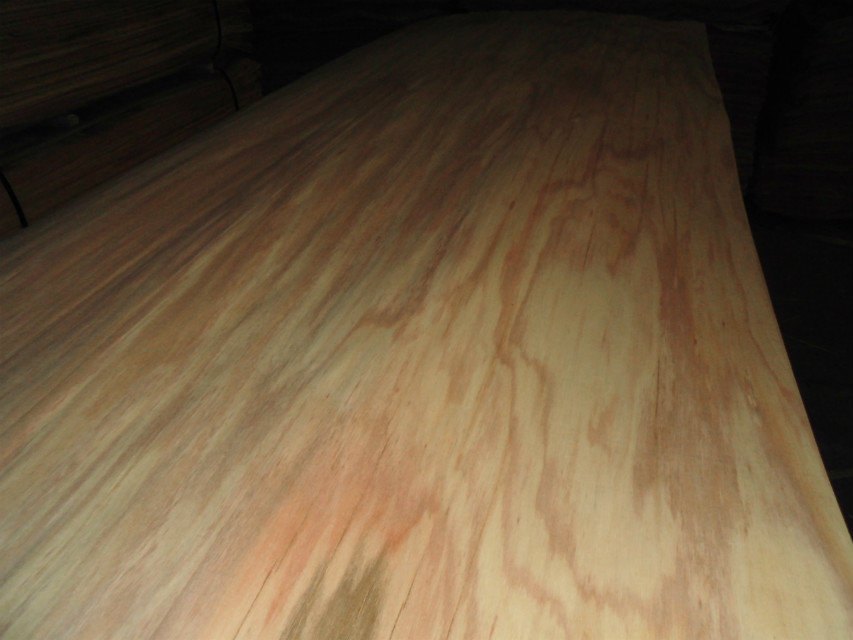
Image 1. A real Mersawa veneer surface. Natural grain does not tell you what core will be used beneath the veneer or how the finished furniture will perform.
A quotation for wood veneer sheets is not a quotation for a ready-to-install furniture panel. Loose veneer still needs a specified substrate and a suitable bonding and finishing process. Similarly, a quotation for solid timber does not necessarily include drying requirements, selection, machining, assembly or coating.
Ask the supplier to write the supply stage into the offer. For example: loose veneer for your own production, a faced board ready for cutting, or a finished door to an approved drawing. This small distinction prevents a large pricing misunderstanding and makes inspection responsibilities clearer.
For a broad cabinet side or decorative panel, request a sample showing the face layout, reverse face and edge. For a shaped rail or a component intended to show timber through its section, ask for a drawing that identifies which parts are solid and which, if any, are faced. Mixed construction should be described openly rather than hidden behind a general furniture label.
Wood responds to changing moisture conditions. The USDA Forest Products Laboratory explains the relationship between moisture content and dimensional change; therefore, neither option should be sold with an unconditional promise of zero movement. Agree the intended environment, handling and construction details with the producer. USDA guidance on moisture and dimensional changes.
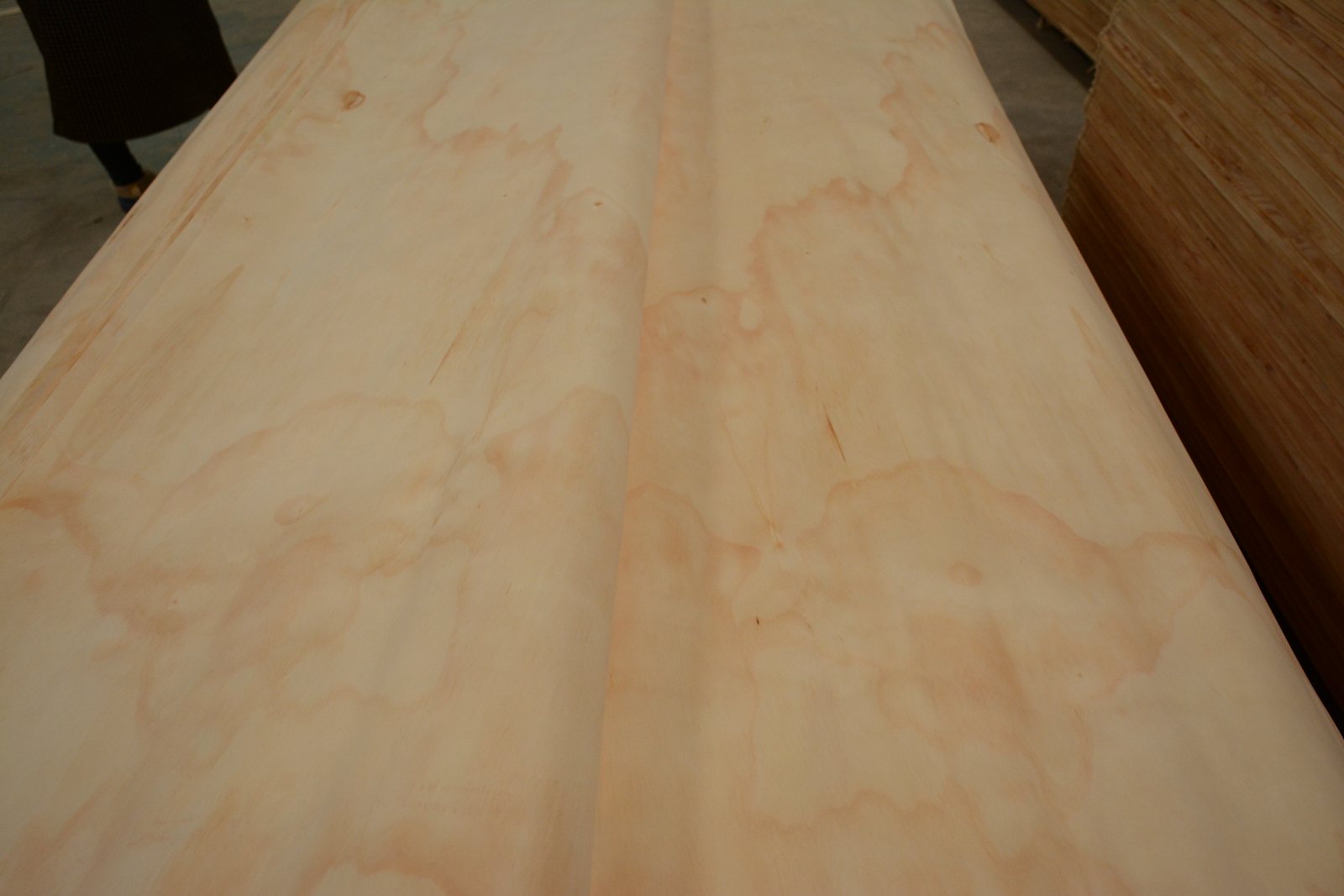
Image 2. Pine veneer as an appearance reference. The sheets shown are not a solid-wood tabletop or a finished cabinet panel.
A photograph of one attractive area is not an acceptance standard. Ask for several representative sheets or components and identify the colour range, grain character and visible features you can accept. If adjoining doors need a coordinated appearance, describe the required layout and what counts as an acceptable difference.
When discussing a veneer grade, request its written definition. A letter used by one supplier or for one species should not be treated as a universal furniture-quality rating. Separate face appearance from any declared panel performance, and agree which face will remain visible after cutting and assembly.
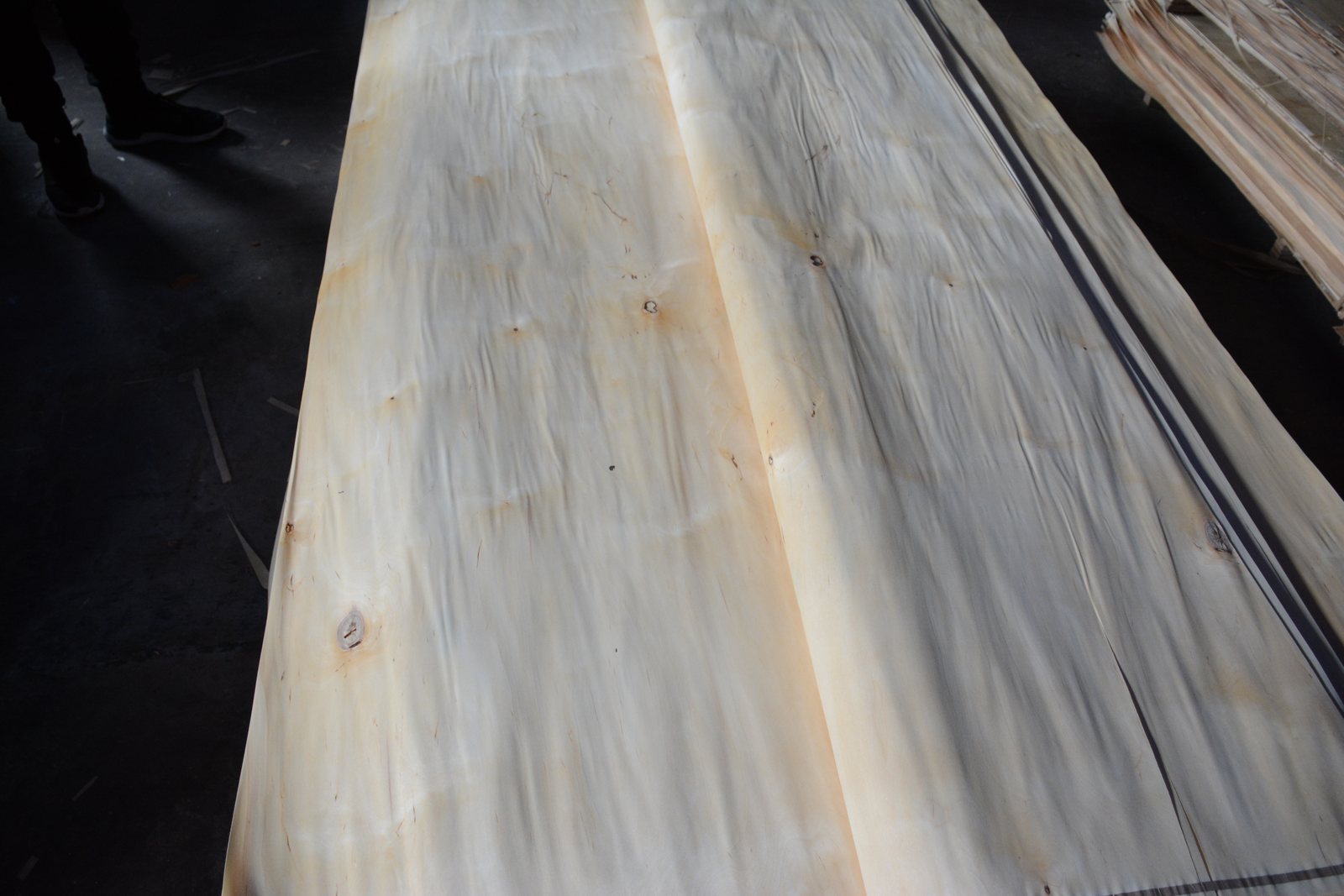
Image 3. A birch veneer selection reference. The visible natural features should be compared with a written acceptance range, not assumed to represent every grade.
Ask how the proposed finished surface can be cleaned and repaired. For a veneer-faced part, ask the maker whether sanding is permitted and what limits apply; do not infer a safe sanding allowance from the overall panel thickness. For solid-wood parts, obtain instructions that account for their profile, joints and finish as well as the timber.
Request evidence for performance claims about the actual finished item. A raw material photo does not prove scratch resistance, water resistance, service life or certification. Ask the seller to identify the tested construction and explain whether it matches the proposed order.
Name the furniture component and attach a dimensioned drawing.
State whether you need loose material, a panel or a finished part.
Identify the visible species, desired appearance and acceptance sample.
For veneer, specify the requested face thickness, core, reverse face and edge treatment.
For solid timber, specify the required section and selection criteria.
Describe the installation environment, quantity, destination and documentation requirements.
Ask for sample approval, packing, inspection and substitution procedures.
Compare both quotations against that same brief. Do not assume veneer is always cheaper: selection, layout, bonding and finishing can change the cost of a finished part. Avoid an unsupported percentage saving or a guaranteed lifespan.
No. Natural wood veneer is actual wood. A printed wood-grain paper is a different material and should be named separately.
No. The veneer describes the face layer. Ask whether the substrate is plywood, MDF or another specified construction.
No universal answer is safe. Obtain the manufacturer's guidance for the actual veneer thickness, finish and condition before attempting refinishing.
Review Zhide's Mersawa veneer sheets, pine veneer sheets and birch veneer selection. Confirm the intended processing and order-specific requirements through an inquiry; the references do not establish a finished-furniture performance guarantee. For another surface comparison, read wood veneer vs melamine. Send your component drawing and appearance brief to Zhide to discuss suitable material options.
 Address:2nd Floor, Building 6, 120 meters west of the intersection of Chuangye Road and Xingye Road, Yitang Town, Lanshan District, Linyi City, Shandong Province
 WhatsApp:+8615020973332
 Wechat: Eden15020973332
  E-mail:eden@zhide.life