


 Language


More Language
Language 
For cabinets, consider plywood when panel strength, fastening and weight are central to the design; consider MDF when a smooth painted face or accurately machined profile is the priority. Neither material wins every comparison. Specify the cabinet component, the panel grade, the finish and the installation conditions before choosing. A veneered door, a loaded shelf and a sink-base cabinet should not automatically receive the same specification.
This plywood vs MDF for cabinets guide separates the core from the decorative face and turns a broad material comparison into questions a buyer can put on a quotation request.
| Decision | Plywood route | MDF route |
|---|---|---|
| Basic construction | Bonded wood veneers arranged in layers, commonly with alternating grain directions. | Wood fibres bonded into a relatively uniform panel. |
| Painted doors and profiles | Check face quality and how the edges will be finished. | A useful candidate for smooth surfaces and routed details; approve the edge preparation and paint system. |
| Natural wood appearance | Specify the visible face species and grade, not just the word plywood. | Specify an applied real-wood veneer face separately from the MDF core. |
| Loaded shelves and hardware | Confirm panel properties, support spacing and the actual fastening detail. | Confirm thickness, support layout and a fixing method intended for the chosen MDF grade. |
| Moisture exposure | Ask for the panel's declared exposure suitability and edge protection. | Ask for the precise grade and its service limits; do not assume ordinary MDF suits every location. |
| Price comparison | Include face selection, cutting, edging, hardware and finishing. | Include routing, edge preparation, coating or veneering and hardware. |
APA describes plywood's cross-laminated construction and fastening performance. The Composite Panel Association describes MDF as a uniform substrate suited to machining, paint and decorative surfaces. These are material-family descriptions, not test results for an individual order. See APA's plywood overview and CPA's MDF overview.
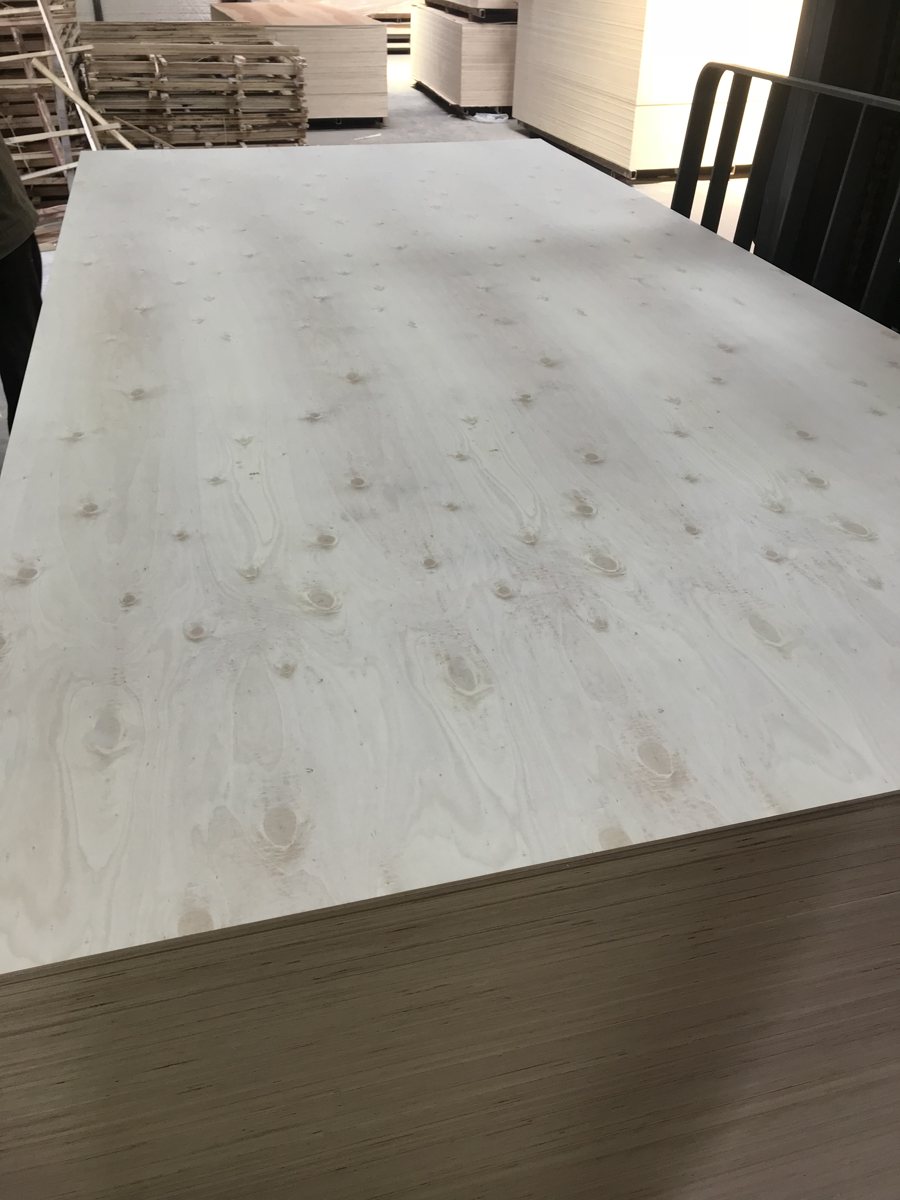
Image 1. A real panel-stack reference from Zhide's material library. The photograph does not establish the internal construction, bond classification or load capacity; request these separately.
Begin with the drawing rather than a generic request for the best cabinet board. Identify the carcass sides, back, shelves, drawer parts and doors. For each part, record its finished dimensions, exposed edges, fixing positions and finish. Ask the fabricator to flag any part that needs a different panel or support arrangement.
For a painted, profiled door, a useful sample is a routed and coated corner, including the edge and hinge recess. For a shelf, ask the supplier to address the intended span and loading. For a veneered end panel, inspect the finished face, reverse face and edge treatment together. These sample requests answer different questions; one flat offcut cannot answer all of them.
A cabinet can have a plywood or MDF core and still present a real wood veneer face. Conversely, a printed wood-grain surface is not evidence that the visible layer is natural veneer. Specify the face material and core on separate lines in the purchase order.
The European Panel Federation identifies MDF's smooth surface as suitable for veneering and stresses balanced facing and backing conditions. Its guidance is a reminder to approve the whole assembly, including veneer, adhesive and reverse face, rather than buying a face sheet in isolation. Production settings should come from the chosen material and adhesive suppliers, not be copied from a generic article. Read the EPF veneering guidance.
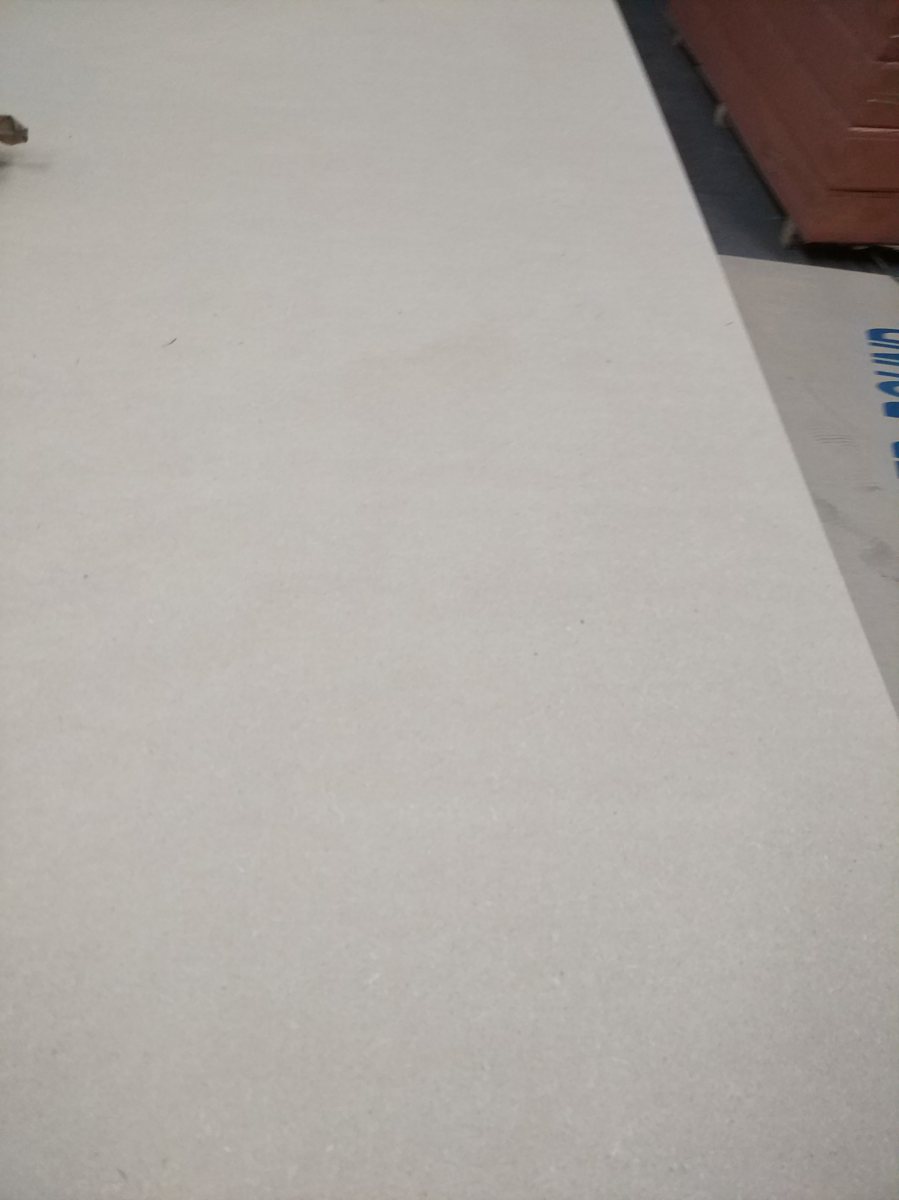
Image 2. A smooth panel surface from the local reference collection. Surface appearance alone cannot verify the core, grade, coating or moisture performance.
Two panels with the same nominal thickness may have different face quality, construction and declared performance. Ask what thickness tolerance applies, how it will be checked, and which finished dimensions the cabinet producer needs. Keep the panel's overall thickness distinct from the thickness of an applied veneer.
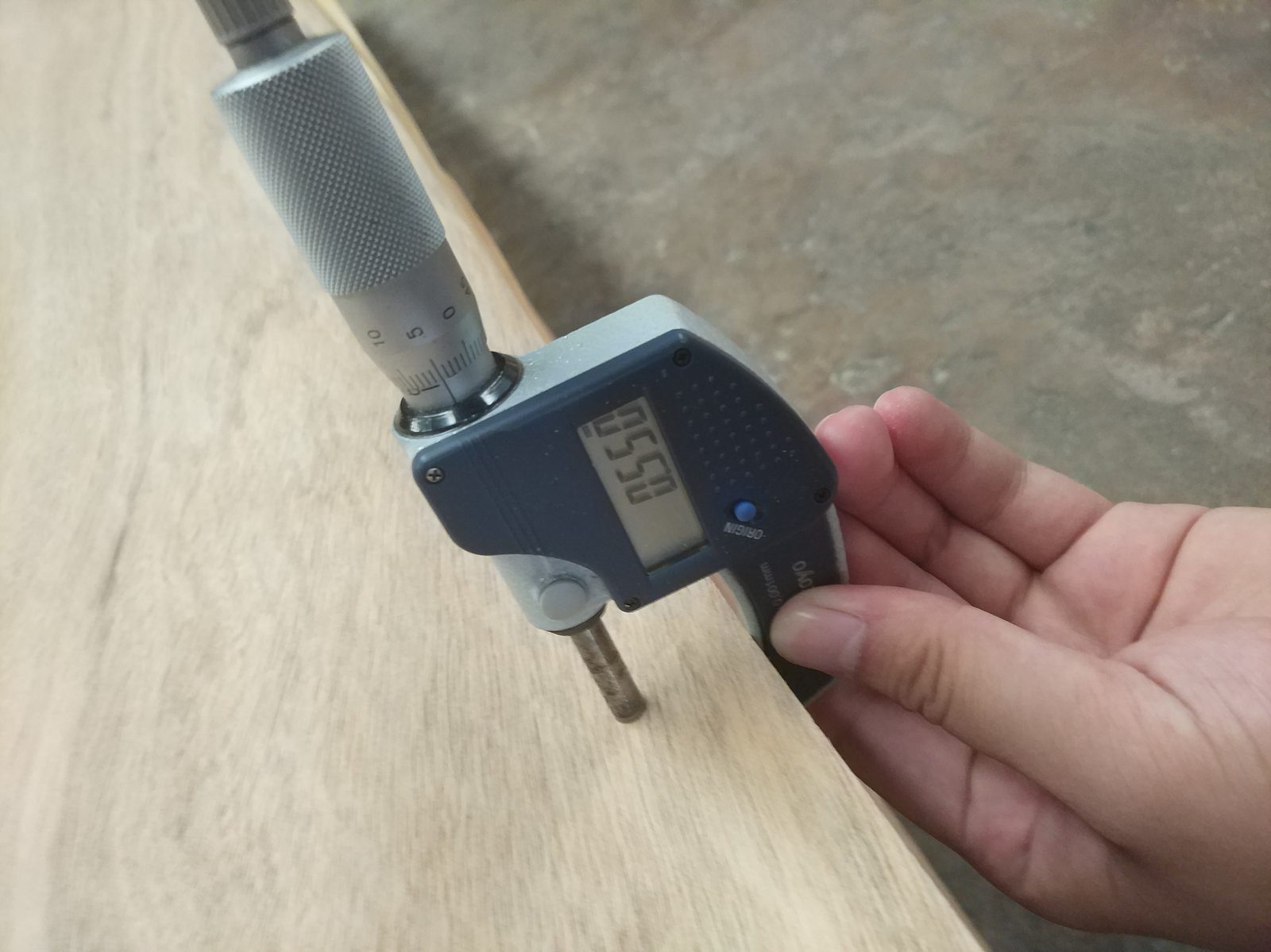
Image 3. A historical veneer-thickness check. This measures a face material, not the overall cabinet panel; it is not a tolerance guarantee for a future shipment.
Compare quotations for the same finished part and acceptance criteria. A lower sheet price can cease to be attractive once extra preparation, rejected faces or a different edging operation is included. Ask for those cost items explicitly instead of applying a universal percentage saving to MDF or plywood.
Component drawing, finished dimensions, quantity and intended service conditions.
Core type, requested grade, thickness and tolerance.
Face and reverse-face material, colour range and acceptance sample.
Visible edge treatment, machining and hardware details.
Required product documentation for the destination and application, identified by the buyer.
Packing, handling instructions, inspection plan and the process for approving substitutions.
Request a production-representative sample before committing to the full order. Put any approval in writing and link it to a sample reference. Do not assume a supplier's sample photograph proves certification or the performance of the finished cabinet.
No. The right answer depends on the component and the specified product. Compare the required finish, loading, fixings and service conditions rather than ranking the material names.
Yes, when it is faced with actual wood veneer. The core and face should both be identified. Printed decorative paper is a different surface option.
Request like-for-like quotations for completed parts. Sheet price alone leaves out important fabrication and finishing costs.
Start with Zhide's plywood category and wood veneer range. For face-material discussions, review MLH veneer sheets or pine veneer sheets. These links are inquiry starting points, not a declaration that every material is suitable for every cabinet design. Send your drawing and specifications so that availability, sample requirements and unconfirmed parameters can be discussed.
 Address:2nd Floor, Building 6, 120 meters west of the intersection of Chuangye Road and Xingye Road, Yitang Town, Lanshan District, Linyi City, Shandong Province
 WhatsApp:+8615020973332
 Wechat: Eden15020973332
  E-mail:eden@zhide.life